Invisalign in Telford, on your own terms
Clear aligners planned and fitted by Dr Cameron Bagry, with a preview of your result before you start, and honest limits told to you up front. Nobody at work has to know.
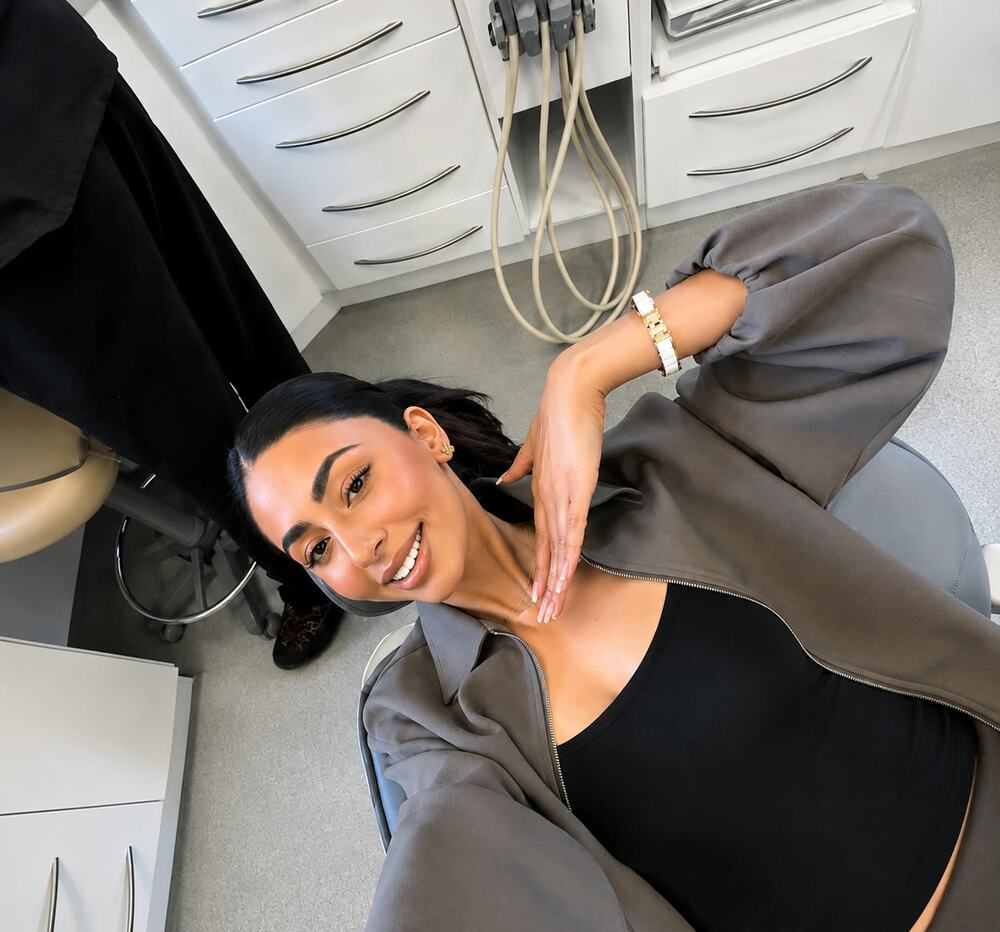
"I stopped hiding it in photos"
Most people who come in about their alignment are not chasing a perfect smile. They are tired of the same photograph reflex, the closed-mouth grin, the hand that goes up when they laugh. Straightening teeth is a small change on paper and a big one in how you carry yourself.
There are practical wins too. Straighter teeth are easier to keep clean, edges stop catching and chipping against each other, and the smile ages better because the bite is sharing the load properly. It is the least invasive way to change a smile, because nothing is removed to do it.




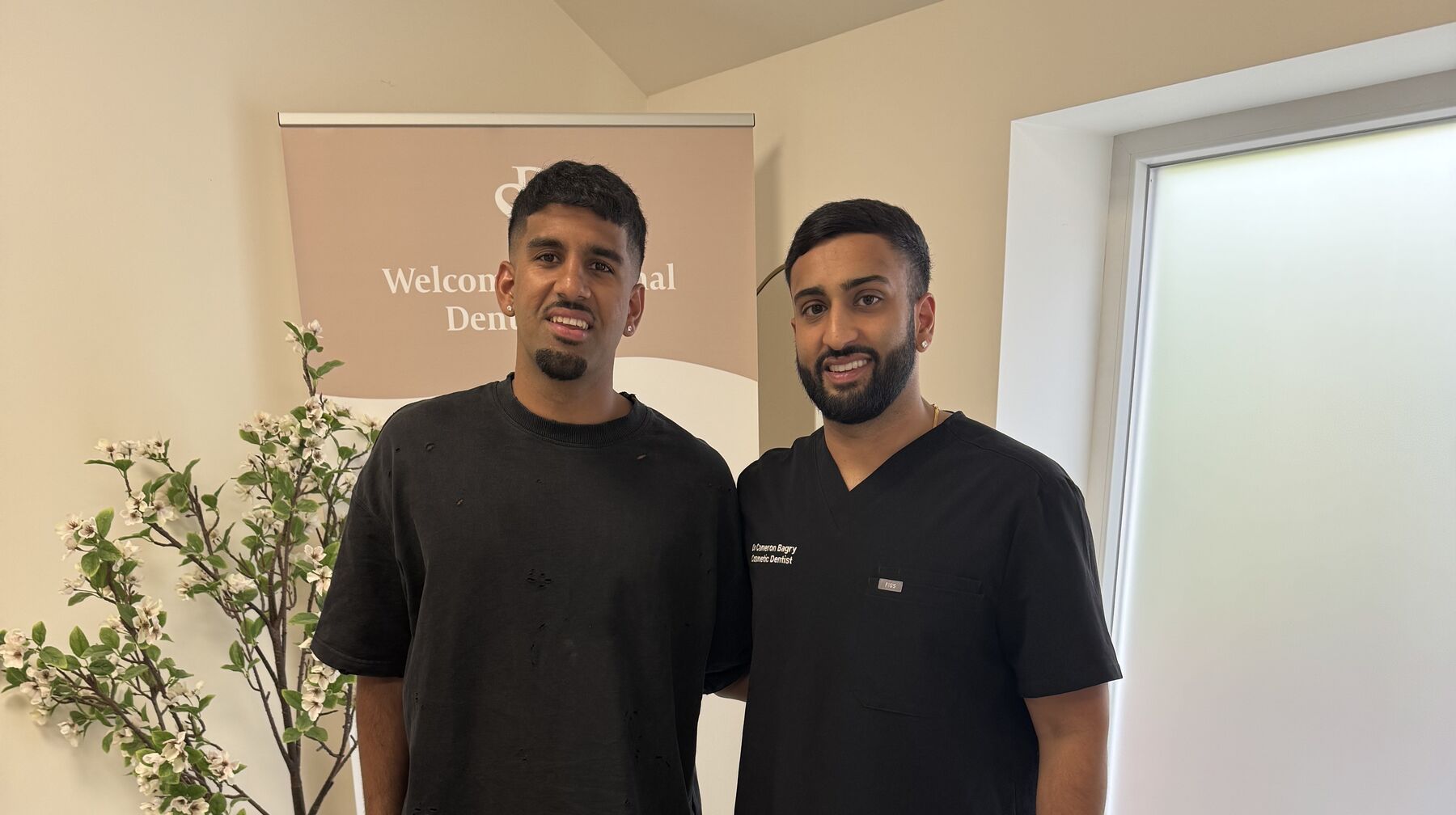
Nurses who had Invisalign with Cameron
Colleagues who watch him work every week, and chose him for their own teeth.
Invisalign, explained the bits everybody asks about first
Scroll through, or tap a question to open it.
What is Invisalign?
How does it work?
What can it fix?
When is it not the answer?
Six benefits, in plain words
Aligners are popular for reasons that have very little to do with dentistry. Mostly it is that they fit around your life instead of the other way round.
Virtually invisible
Clear, thin and made to fit. Most people will not notice them unless you tell them, which is why so many patients get through treatment without anyone at work asking.
They come out when you want them to
Out for meals, coffee, a night out or a photograph. Nothing is glued on, so nothing dictates what you eat or how you look on the day.
Nothing is removed from your teeth
Aligners move teeth rather than reshape them, so your enamel stays exactly as it is. It is the least invasive way there is to change a smile.
You see the result before you start
A digital scan and an AI preview show the projected outcome at the consultation, so you are not committing to something you cannot picture.
Easier to keep clean, and kinder to your bite
Straighter teeth trap less plaque, edges stop catching on each other, and the bite shares the load more evenly, so the smile ages better.
Usually means less work afterwards
Once teeth are in line, any bonding or veneers needed at the end are smaller, cheaper and less invasive than they would have been.
Four steps, from first scan to straight
Nothing about Invisalign should be a surprise. You see the plan and the projected result before you start, and you know the wear time and the retainer commitment before you agree to anything.
Book an Invisalign consultation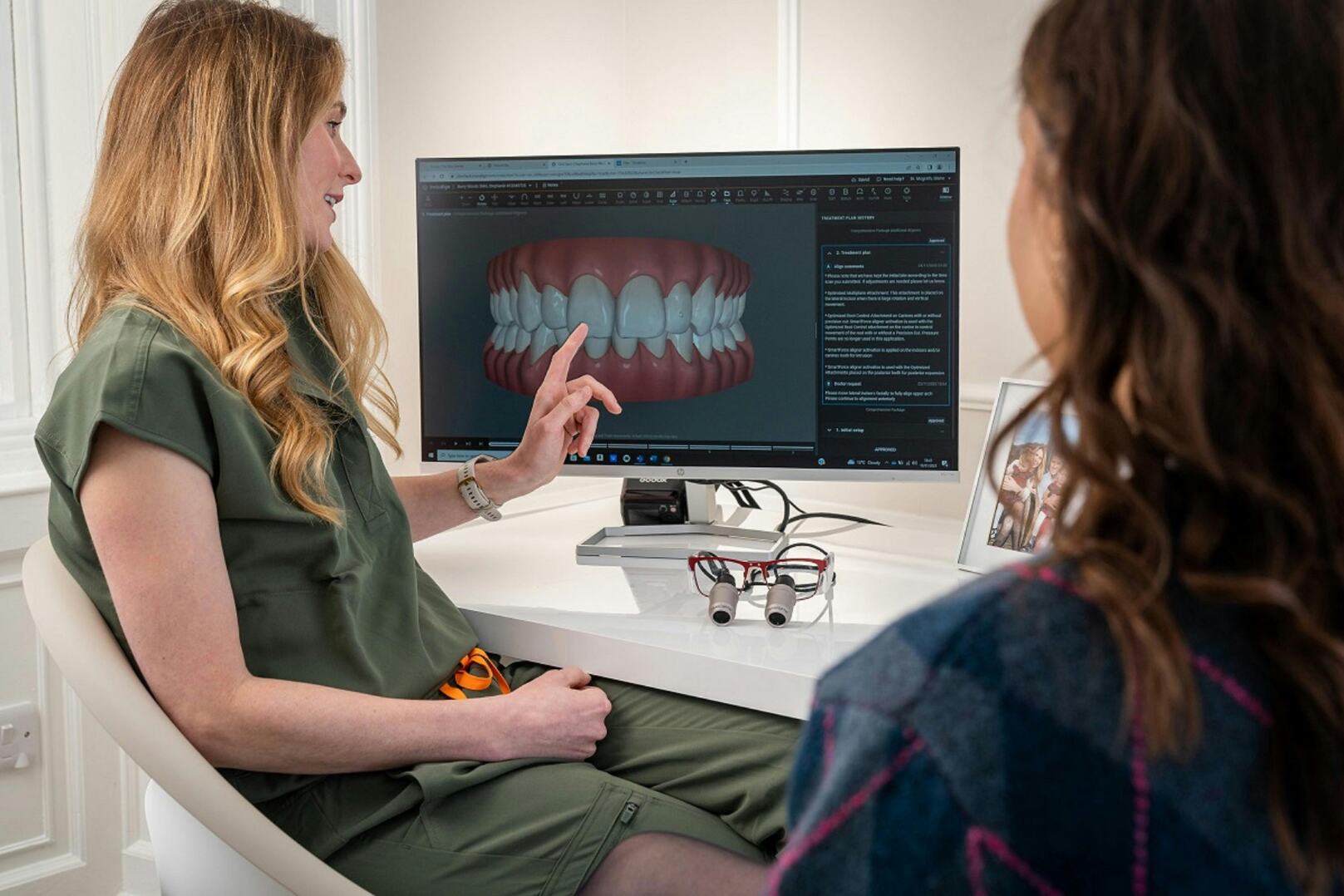
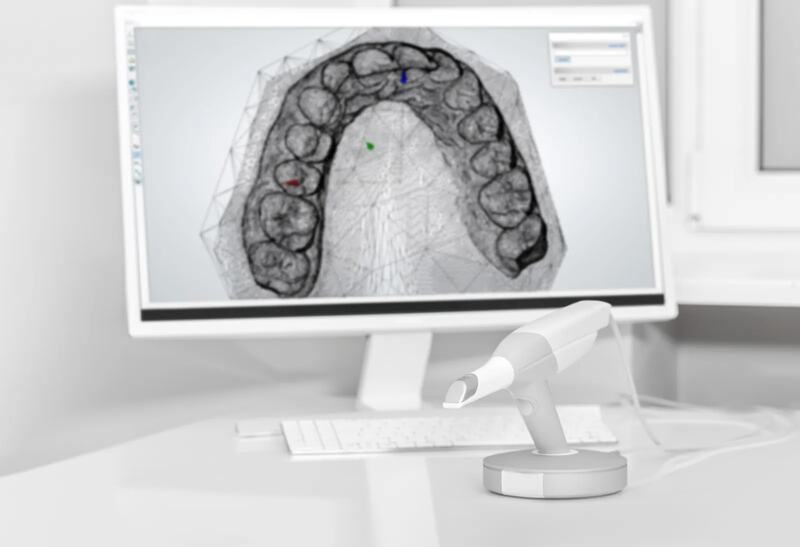
Scan and preview
A two-minute iTero scan, then an AI preview of where your teeth could end up. You look at the projection before committing to anything.
Your plan, movement by movement
Cameron plans the movements himself, tells you what is realistic, and says whether attachments will be needed rather than springing them on you.

Wear them, 20 to 22 hours a day
Out for meals, in the rest of the time. Treatment time depends on how far the teeth have to travel and how consistent you are.

Retainers, then the finishing touches
Retainers hold the result for the long term. Whitening comes after alignment, and any small bonding is done last, once the teeth are where they should be.
Free whitening
with your Invisalign treatment
Whitening is included, and it is timed for the end of your alignment rather than the start, because that is the order that actually works.
Straight, then shade, then shape.
Straighten first, and there is usually less to do
Plenty of people arrive asking about veneers when the thing bothering them is position, not shape or shade. Move the teeth into line first and the work that follows gets smaller, cheaper and far less invasive, because nothing has to be removed to disguise where a tooth is sitting.
Cameron provides the alignment and the restorative work, so there is no commercial reason to steer you either way. Often the answer is a short course of aligners, whitening, and a small amount of bonding at the very end.
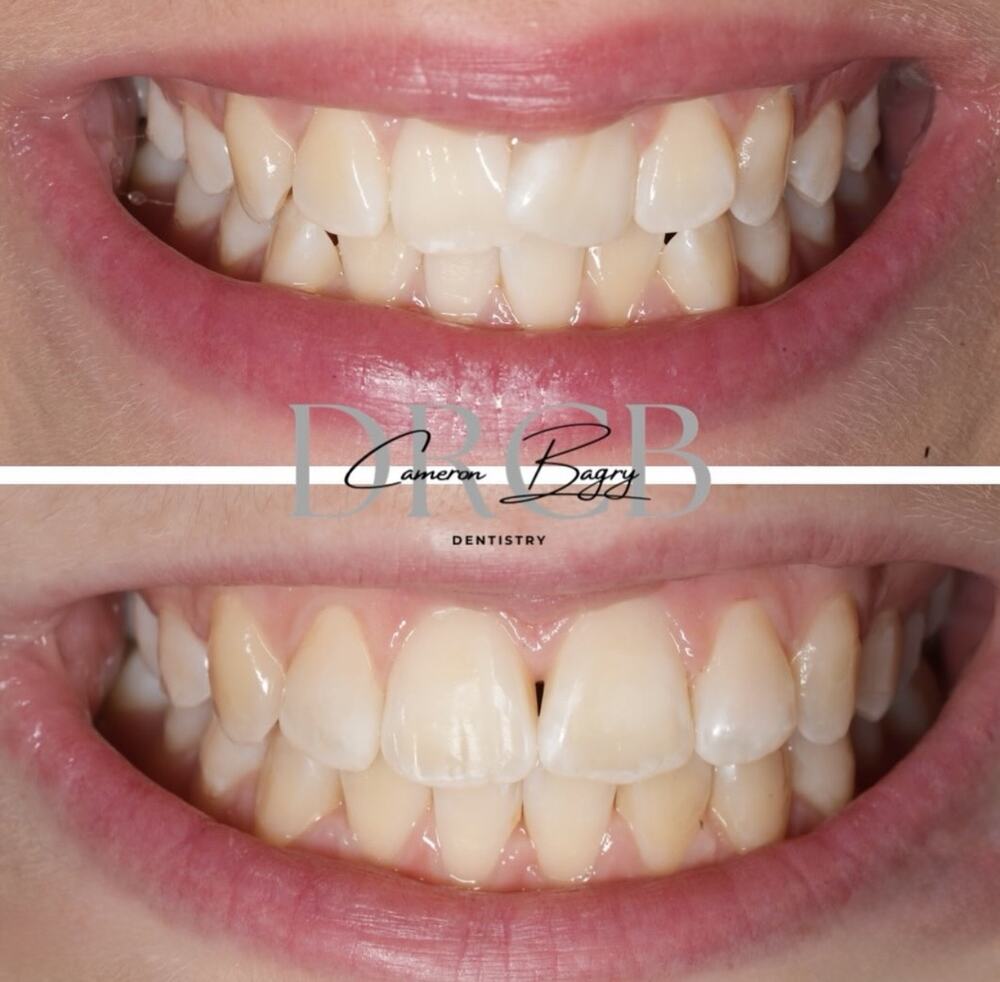
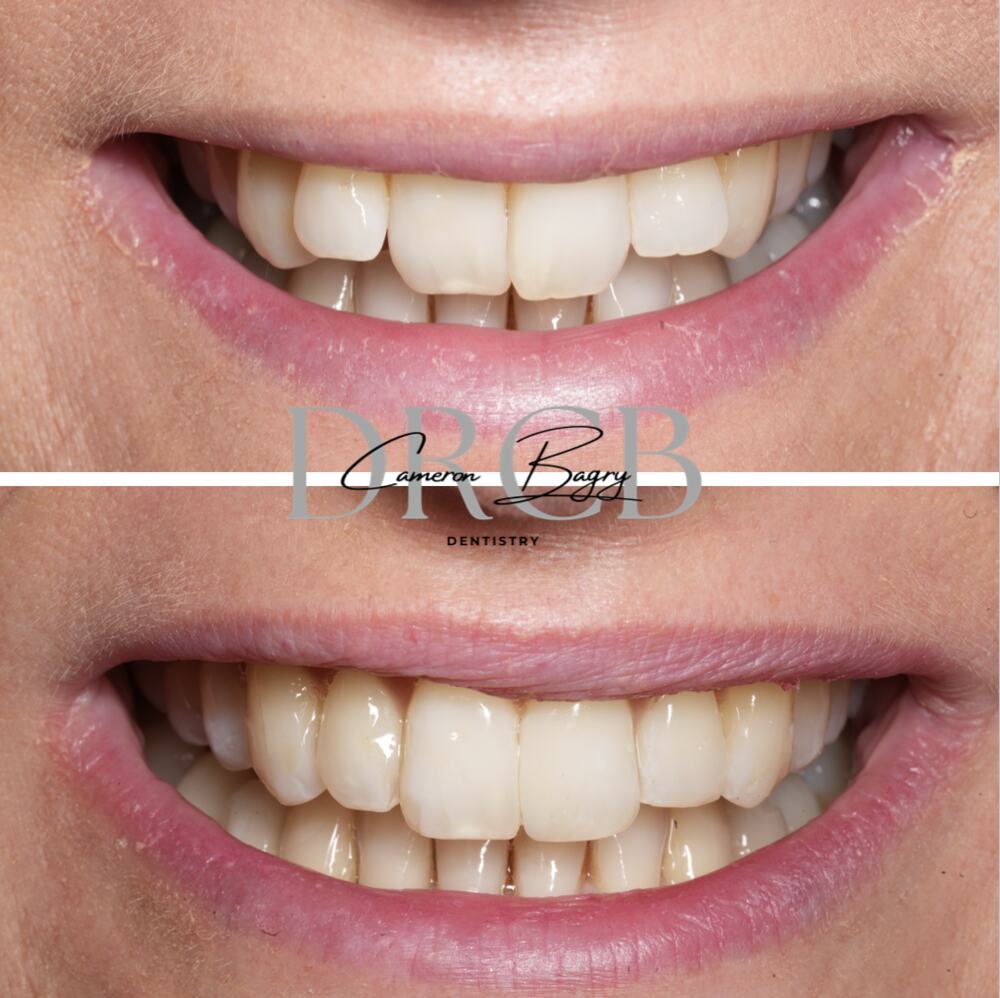
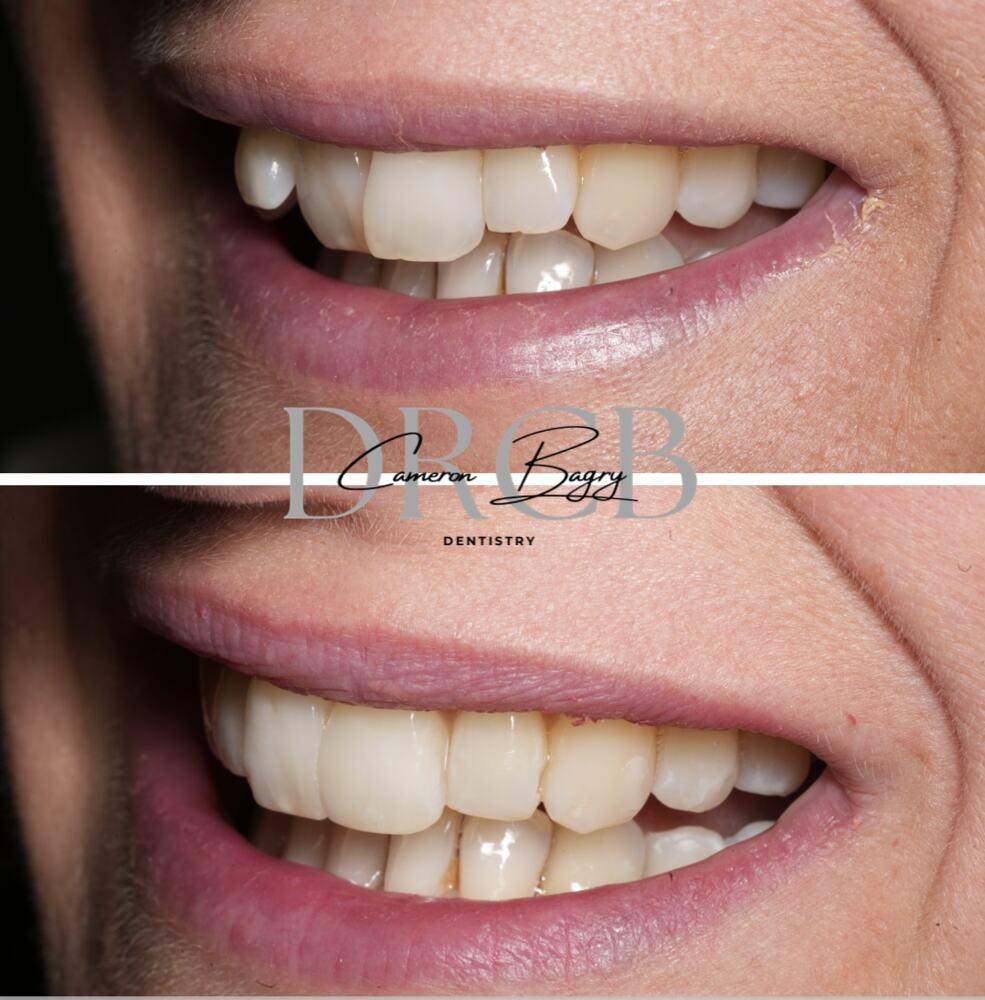
Invisalign before and afters
Every one of these patients started exactly where you are now. Alignment first, then the finishing touches.
See the full gallery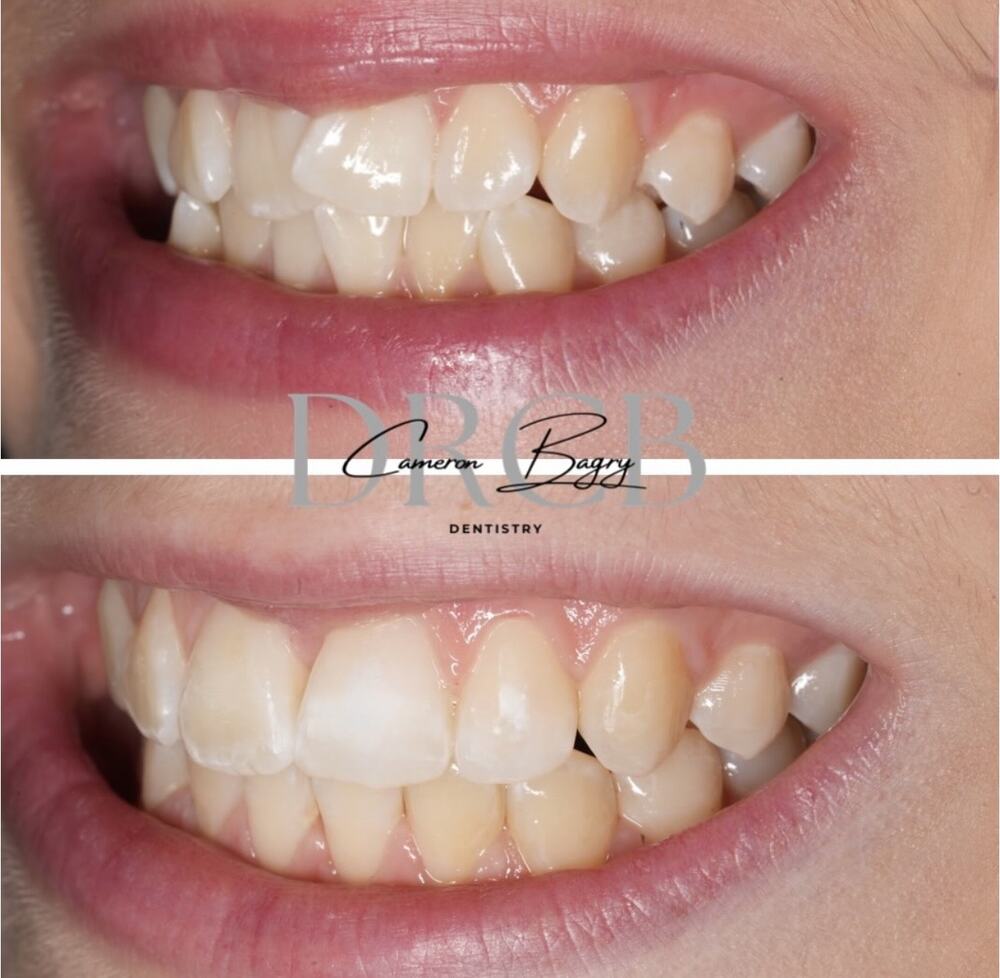

Meet your cosmetic dentist, Dr Cameron Bagry
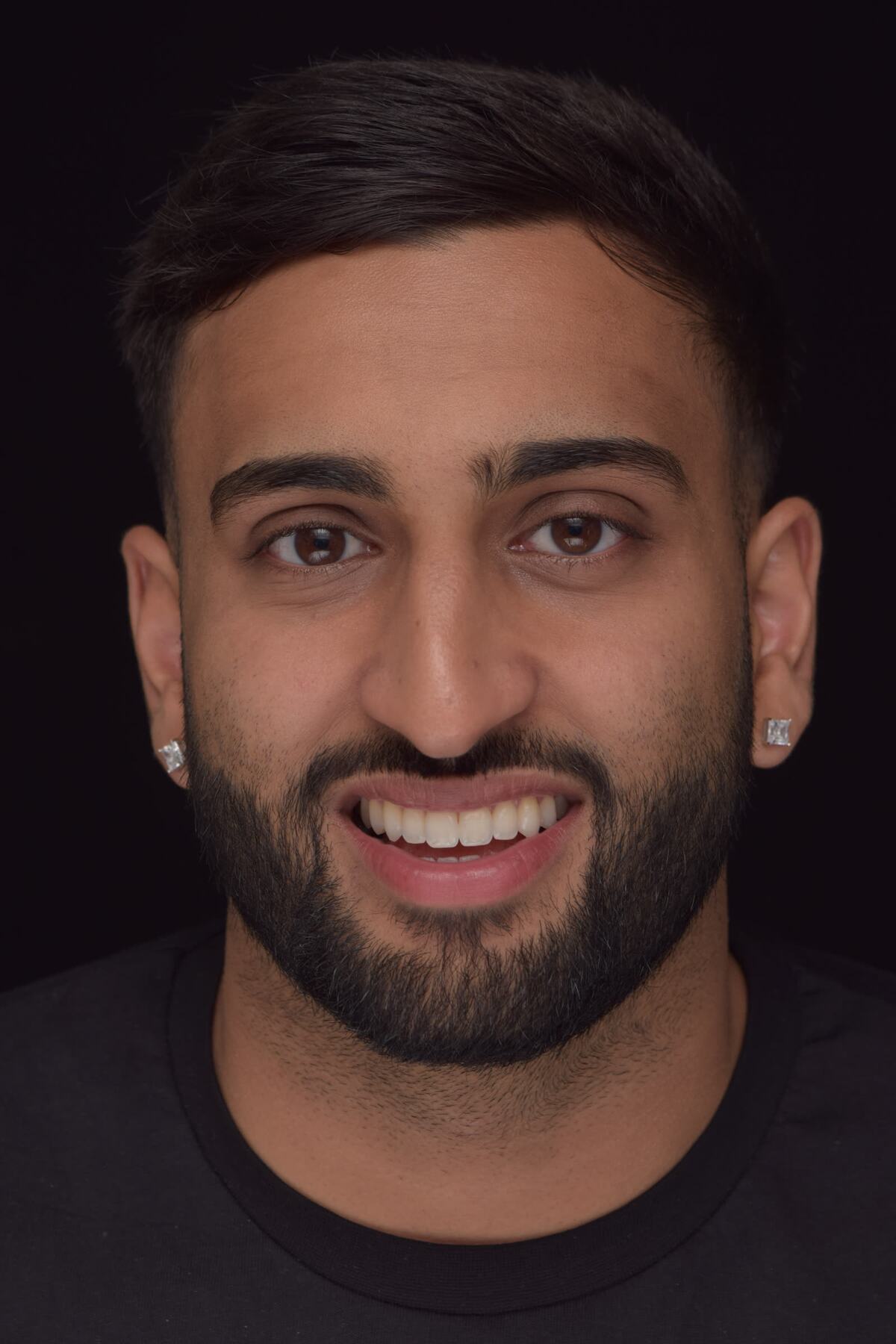
Cameron is a cosmetic and restorative dentist in Telford and a certified Invisalign provider. He holds a postgraduate diploma in cosmetic and restorative dentistry and a diploma in minimally invasive dentistry, and Totally Composite, one of the UK's most respected bonding courses, asked him to be a clinical tutor teaching the technique to other dentists.
He plans every alignment case himself, and the dental nurses at his own practice had their Invisalign with him, which is the review he is proudest of. He will also tell you when a smaller plan, or a specialist, is the better answer.
The questions patients ask us about Invisalign in Telford
Ask Ellie, your dedicated treatment coordinator, when she rings you back. She is a qualified dental nurse and she had her own treatment with Cameron, so nothing is too small to ask.
It depends on how far the teeth have to move and how consistently the aligners are worn. Cameron gives you a realistic range at the assessment, along with the projected result, rather than a headline number.
They are clear and most people will not notice unless they are looking closely. Where attachments are needed they are tooth-coloured, and Cameron will tell you in advance if your case needs them.
Aligners feel tight for a day or two after each change, which is the teeth moving. Most people describe pressure rather than pain, and it settles quickly.
They drift without retainers, so retainers are part of the plan from the start rather than an extra mentioned at the end. Wear them as advised and the result holds.
No. Cameron is a cosmetic and restorative dentist and a certified Invisalign provider. Invisalign Go treats mild to moderate cases, and anything more complex is referred to a specialist orthodontist.