
These are not really rival treatments, whatever the internet suggests. They do overlapping jobs at different scales, and the honest answer usually comes down to how big a change you want and how much you value longevity against keeping your own tooth.
Start with what is actually wrong
This is the question almost nobody asks first, and it decides everything else. If the thing bothering you is the shape of a tooth, both treatments are candidates. If it is the shade, whitening might be the whole answer. If it is the position, neither is right yet.
Adding material to the front of a tooth that is out of line means adding bulk to disguise where it is sitting. It looks heavier than it should, it tends to wear faster, and it costs more than it needed to.
The case for composite bonding
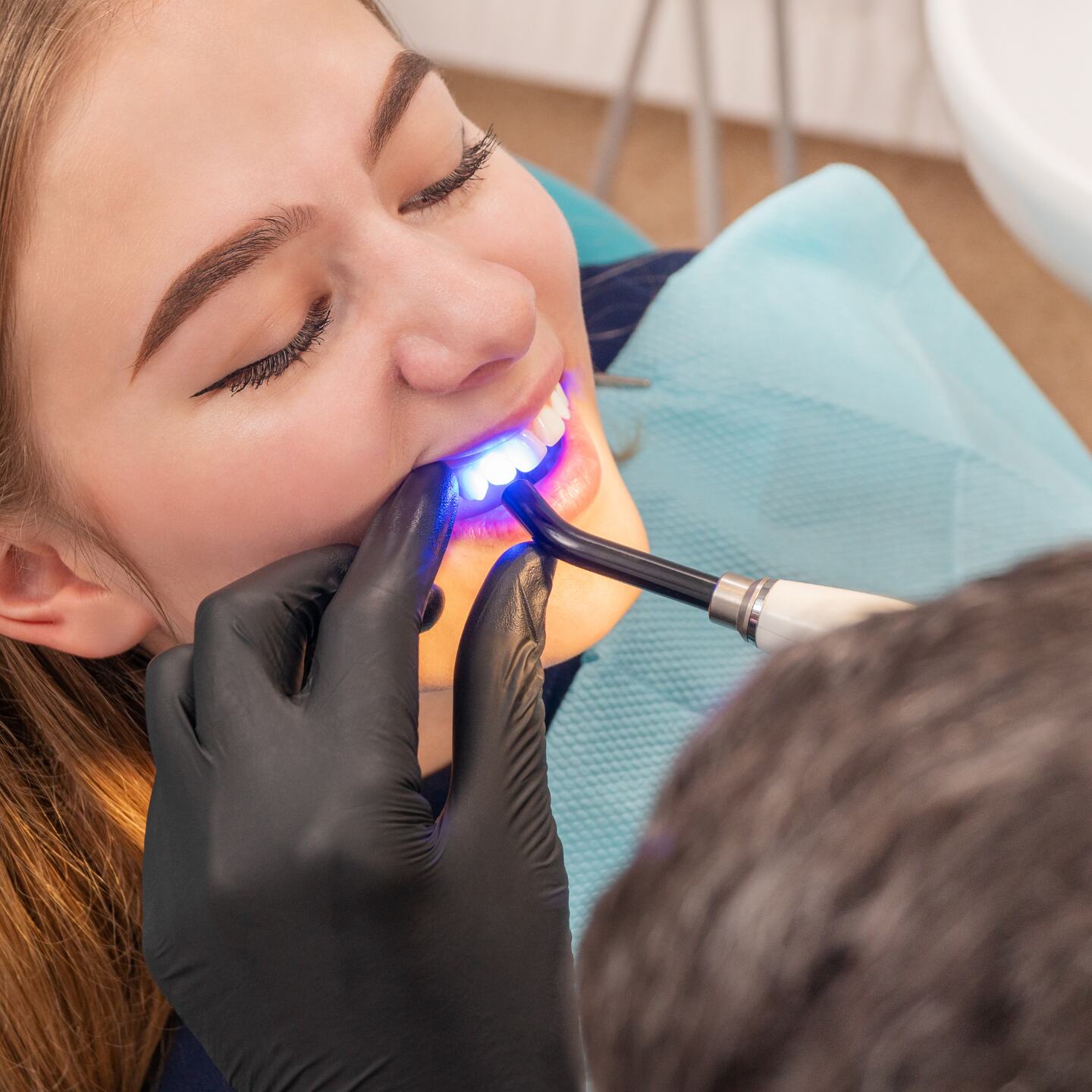
Composite is placed directly onto the tooth and shaped by hand in a single appointment, with nothing made in a laboratory. It is largely additive, meaning material goes on rather than tooth coming off, which makes it the more conservative of the two. It costs less per tooth. It can be adjusted, polished and often repaired rather than replaced. And choosing it does not close the door on porcelain later.
Composite bonding is Cameron’s usual answer for chips, worn edges, small gaps, uneven lengths, black triangles and peg-shaped lateral incisors, particularly when one to four teeth are being treated.
The case for porcelain veneers
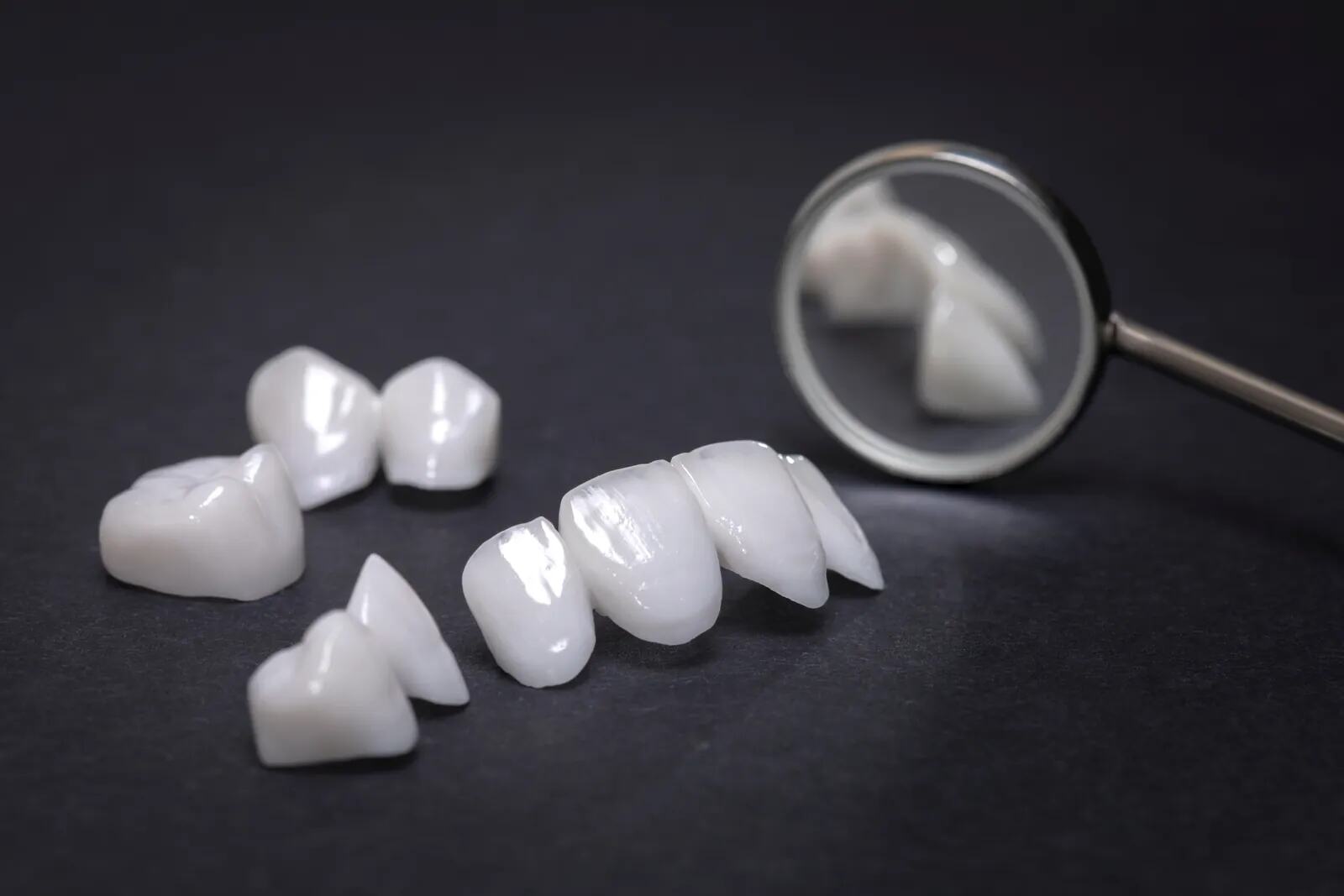
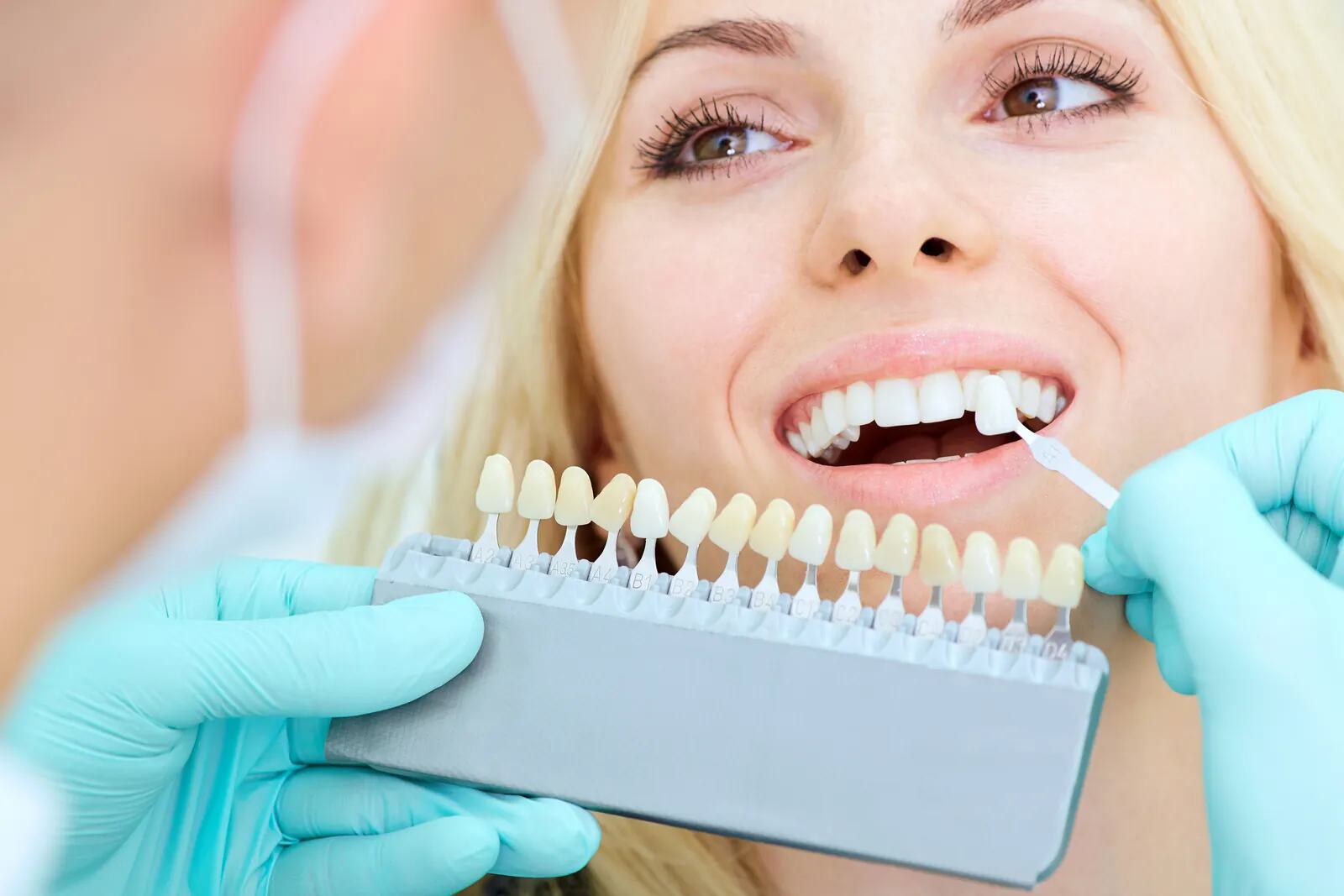
Porcelain holds its colour considerably better than composite, is stronger, and generally lasts longer. It handles bigger changes in shade and shape more reliably, and it matches more predictably across several teeth. It takes more appointments, involves laboratory time, and where tooth preparation is needed that part is not reversible.
Porcelain veneers earn their place when the change you want is substantial, when several teeth need to match, or when composite bonding has already been repaired more times than is sensible.
The ten year question, not the today question
This is the comparison that actually matters and it is rarely the one people make. Composite bonding costs less per tooth, but the figures commonly cited put direct composite at around five to seven years before it needs refreshing or replacing. Porcelain costs more at the outset and generally lasts longer. Over a decade the gap narrows considerably, and if you grind your teeth it narrows further still.
None of which makes porcelain automatically better value, because the composite route keeps more of your own tooth for those ten years, and that has a value that does not appear on an invoice.
What he usually ends up recommending
More often than people expect, a combination. Porcelain on the teeth doing the heavy lifting and composite on the ones that need less is frequently the most conservative route to a balanced result. And more often still, alignment first, whitening second, and then a smaller amount of whichever material the case actually needs.
Compare composite bonding and veneers
If any of this applies to you, the next step is a conversation rather than a decision. Treatment coordinator Ellie takes the first call and she is not going to push you towards anything.