
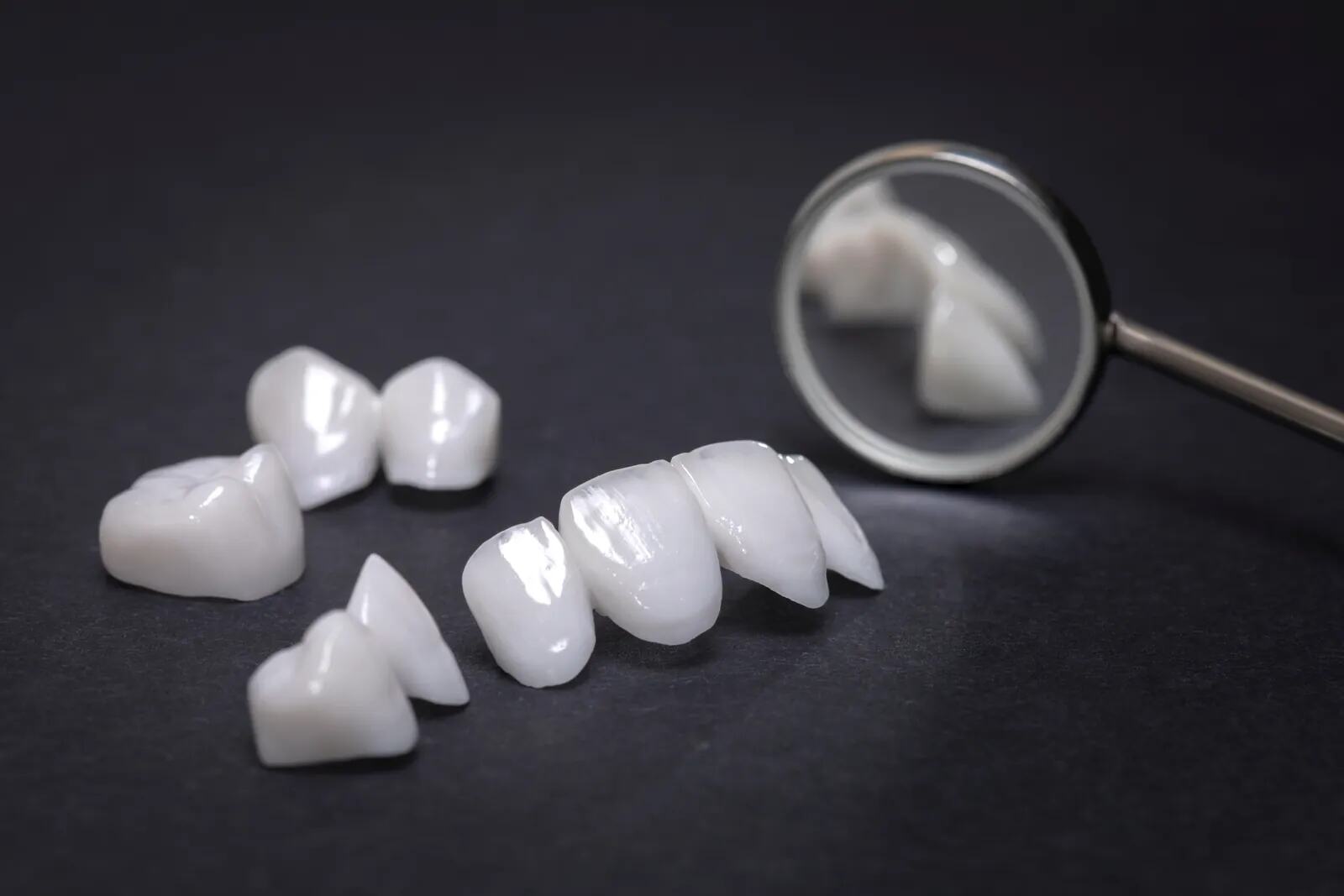
Prep-less, no-prep and minimal-prep get used interchangeably online, and they do not all mean the same thing. What they are all reaching for is the idea that a porcelain veneer can be made thin enough to bond onto the front of a tooth without reducing that tooth first. On the right teeth that is achievable and it is a very good thing. On other teeth it is not, and the honest answer matters more than the marketing one.
Why prep-less veneers matter so much
Enamel does not grow back. Once it is removed, that tooth needs something covering it for the rest of your life, and any future replacement starts from a smaller tooth than the one you had.
There is also a technical reason that has nothing to do with sentiment. Porcelain bonds far more predictably to enamel than it does to the dentine underneath it. A veneer bonded to enamel is a more reliable restoration than one bonded to a prepared surface that has cut through into dentine. So preserving enamel is not only conservative for its own sake. It tends to give you a better result that is more likely to stay put.
When prep-less veneers genuinely work
They work best on teeth that already have room for the porcelain to sit without adding bulk. In practice that usually means:
- Teeth that are slightly small, short or worn, where adding a thin layer restores proportions that used to be there
- Teeth that are tipped backwards rather than forwards
- Teeth that are reasonably well aligned already, or have been aligned first
- Shade changes within a sensible distance of where you are starting
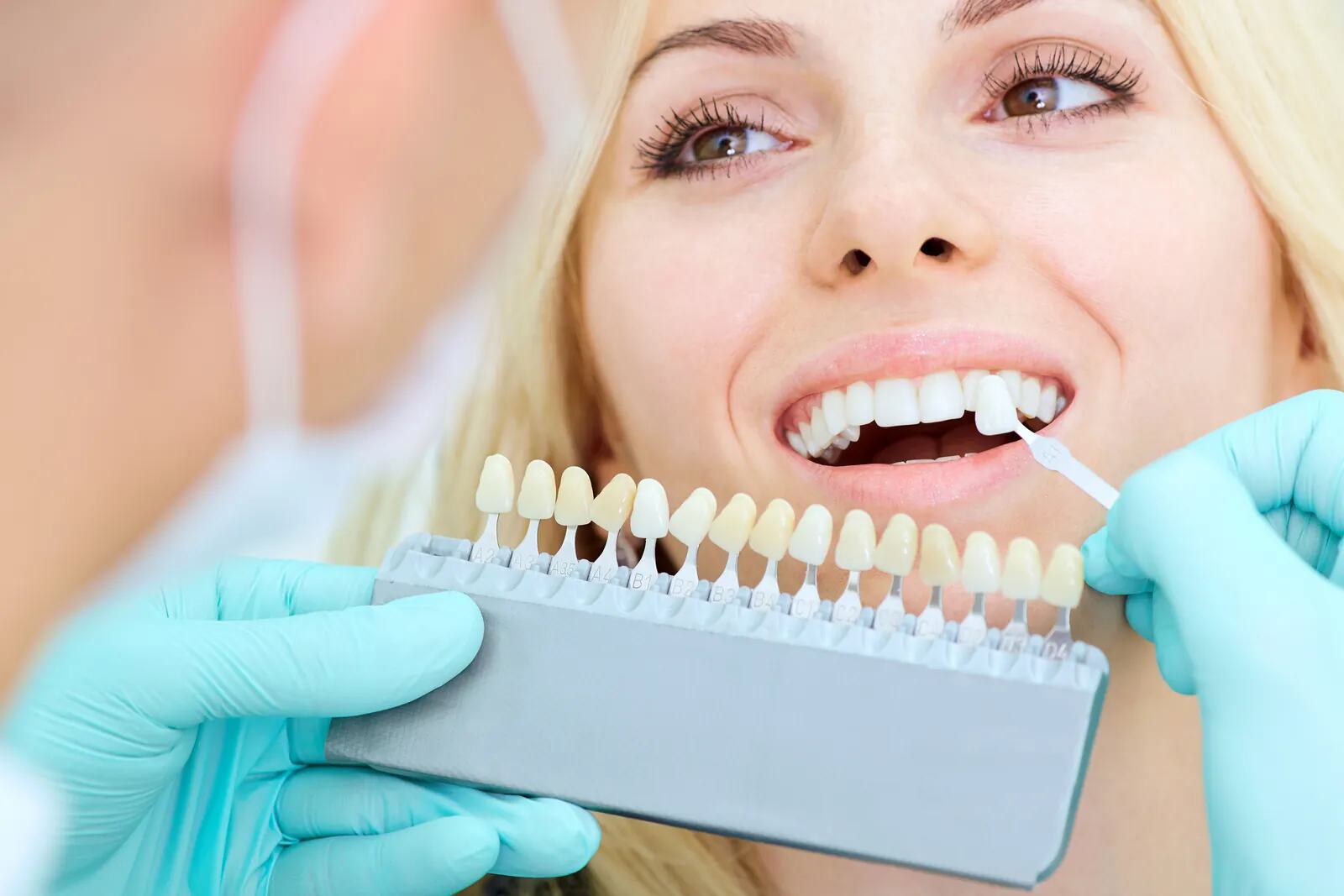
The porcelain in these cases can be very thin, sometimes a few tenths of a millimetre.
When tooth preparation is still needed
Three situations account for most of it.
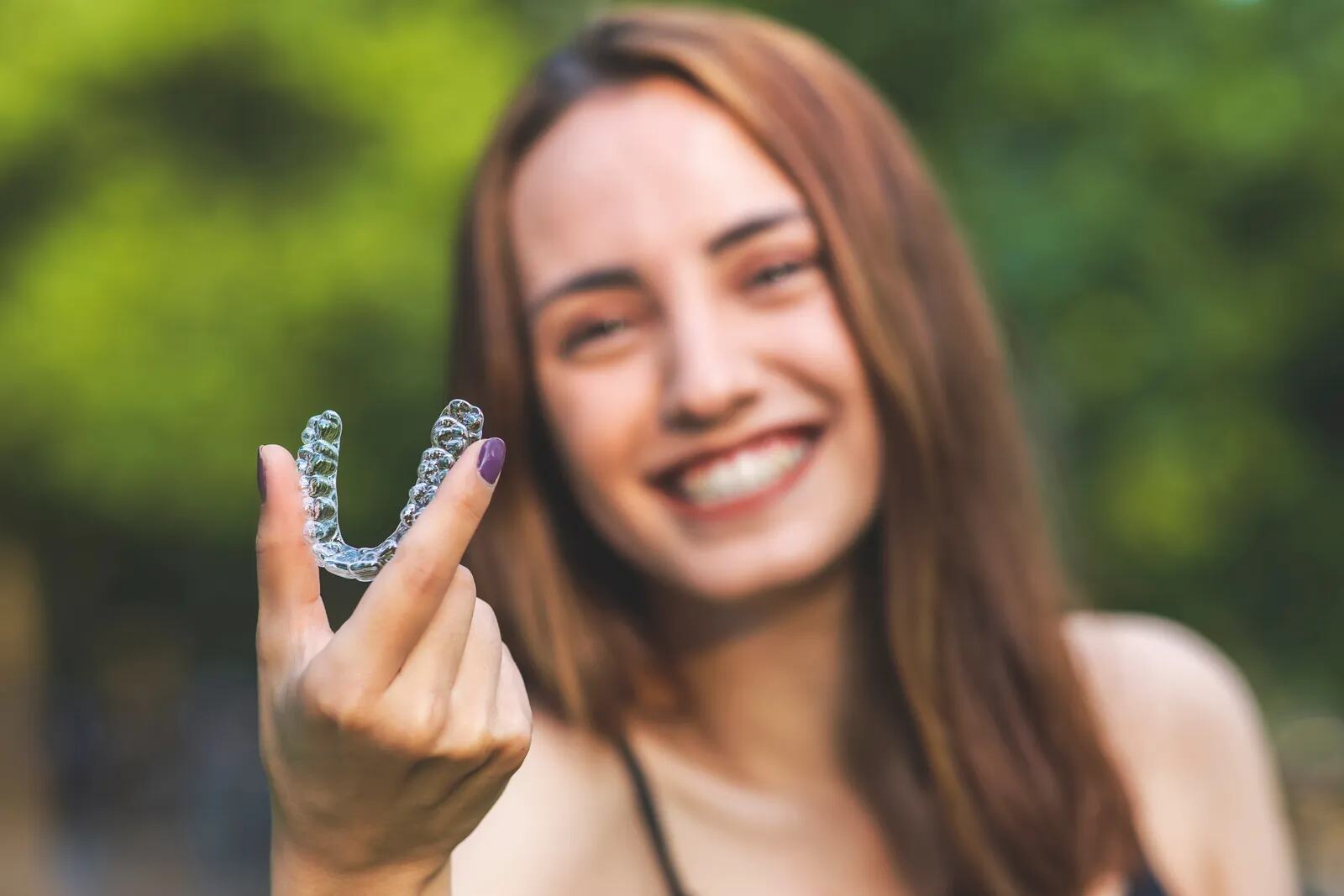
The first is position. If a tooth is sitting forward of where it should be, or rotated, adding porcelain to the front of it makes it more prominent rather than less. Making that tooth look right without preparing it is not possible, because the problem is where it is rather than what shape it is. This is the most common reason Cameron suggests straightening first, and once the tooth is in line the veneer that follows is often genuinely prep-less.
The second is shade. Thin porcelain is slightly translucent, which is what makes it look like a tooth rather than a tile. That translucency means a dark tooth underneath can still show through. Blocking out heavy staining reliably needs more thickness, and more thickness on a tooth that is already the right size means preparing it. Sometimes whitening or internal whitening first solves enough of the problem that a thinner veneer becomes possible.
The third is size. If your teeth are already large or prominent, adding to the front surface makes them larger and more prominent. There is no way round that with material.
What to ask, wherever you go
- How much tooth preparation is planned, in millimetres
- Whether that preparation will stay within enamel, and what happens if it does not
- Whether you will see the design before anything permanent is made
- What the alternatives are, including straightening or whitening first
Treat any promise of zero preparation made before somebody has examined and scanned your teeth as a sales position rather than a clinical one, because that is what it is. Cameron will tell you which category your teeth fall into after he has looked. Not before, and not from a photograph.
If any of this applies to you, the next step is a conversation rather than a decision. Treatment coordinator Ellie takes the first call and she is not going to push you towards anything.